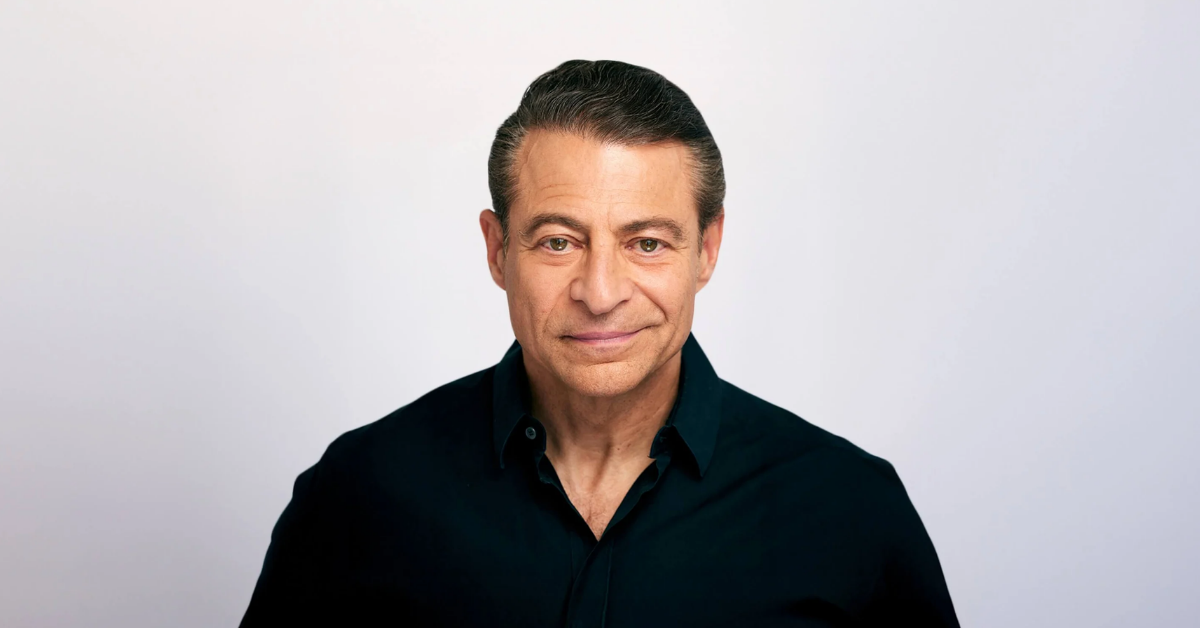
Peter Diamandis and his Moonshot Mates, among them Salim Ismail, Dave Blundin and Alexander Wissner-Gross, on technology, science and ambitious ideas about the future.
TypeSafe says its Jev model returns typed choices or scores in 70–500 milliseconds in its own tests. On Moonshots, panelists said such models could handle many small organizational decisions and noted open-source versions exist.
Richard Socher, author of The Eureka Machine, argues AI can reconnect fragmented science and that biology gains most. He expects some single-gene diseases cured within 12 months, but says FDA delays mean five to 10 years for cures at scale.
Recursive CEO Richard Socher said weak AI self-improvement already exists and fuller versions are close. He put superintelligence in his strongest sense, beating all of humanity across ten kinds of intelligence, "probably several decades" away, and expects narrower superhuman abilities such as programming and math within a few years. Alex Wissner-Gross rejected the 20-year timeline, and Peter Diamandis agreed.
Tavus says 26 of 54 people who expected a one-minute video call with another human participant took its Griffin-Lite avatar for a human; they were asked about AI only after the call. On Moonshots, Richard Socher said a human-judged test can't be fully automated and warned about fake executives on Zoom.
Pete Hegseth launched Project Meridian, a 120-day warfare study co-led by Elon Musk, and plans for an autonomous-warfare command. On Moonshots, Alex Wissner-Gross hailed it; Richard Socher and Salim Ismail raised oversight and procurement concerns.
Alex Wissner-Gross said Sonnet 5.5's 70% Terminal-Bench score is no better value per attempt than Opus 5.5; Anthropic's charts put the savings at lower effort settings. He said Gemini 4 Argon stands out mainly on avoiding hallucinations.
Richard Socher, CEO of Recursive, said on Moonshots that a ban on recursive self-improvement could only be enforced with total surveillance. Other panelists said voter backlash and lawsuits were the bigger threats to AI.
After Elon Musk predicted 'universal high income' from superintelligence, Moonshots hosts and guest Emad Mostaque proposed different routes: cheap services, Trump-account equity, citizen-owned AI institutions and free AI healthcare.
A New York Times report says Anthropic consulted religious scholars about Claude's moral reasoning. On Moonshots, Alexander Wissner-Gross saw Anthropic shaping religion's view of AI; Salim Ismail wanted secular ethics, and the discussion also pressed for broad religious and secular input.
On Moonshots, Dave Blundin called blanket developer liability for AI agents "childish," and Peter Diamandis said labs should answer for agents with no user. The FTC chair's stance came from an interview, not a new rule.
Alexander Wissner-Gross called OpenAI's always-on dots agents a useless avatar play on Moonshots. Emad Mostaque and Salim Ismail called them derivative, but said the agent people trust with their credit card is the real prize.
Anthropic's prospectus, as Reuters reported it, shows fast growth, heavy losses and about $518 billion in compute commitments. On Moonshots, the discussion included a prediction that the core business gets "smashed" within two years; Alexander Wissner-Gross was bullish.
May we use a browser ID to count visits, article reading, return visits and how readers found us? The statistics stay on our server. We also count daily page totals without analytics cookies or visitor IDs.