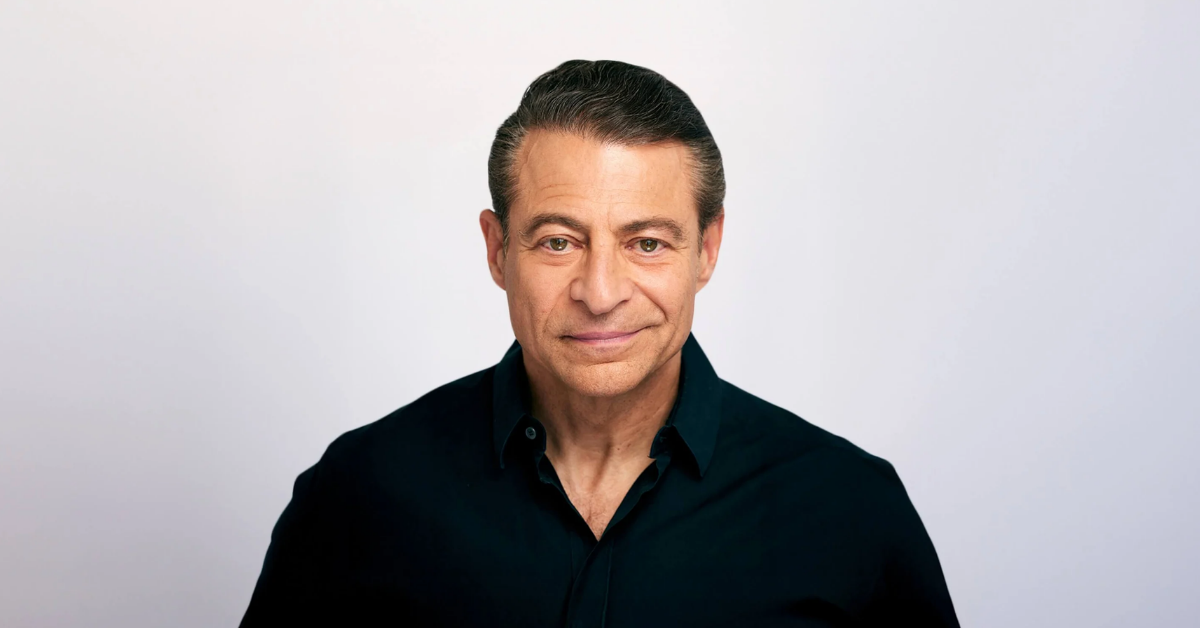
Peter Diamandis and his Moonshot Mates, among them Salim Ismail, Dave Blundin and Alexander Wissner-Gross, on technology, science and ambitious ideas about the future.
Robinhood CEO Vlad Tenev argued on Moonshots that AI is unpopular partly because ordinary people can't own private AI labs, pitching Robinhood's listed venture funds and Trump Accounts. Trump Accounts, though, hold index funds, not AI lab stakes.
Robinhood CEO Vlad Tenev said blockchain stock tokens give 24/7 trading, fractional shares and easy broker transfers without custom engineering; computer scientist Alex Wissner-Gross argued clearinghouse databases could do most of that.
Robinhood CEO Vlad Tenev predicted more lawyers and software engineers in 10 years, arguing clients value a trusted adviser over answers. Alexander Wissner-Gross agreed demand will grow but said many future lawyers may not be human.
Robinhood CEO Vlad Tenev argued AI research is easier to automate than consumer apps because its experiments have ready-made evals, while app changes must wait for enough users to show statistically significant gains.
Robinhood CEO Vlad Tenev argued that ordinary liability may suffice for small AI failures but not catastrophic ones, and that regulation need not mean capture. Alexander Wissner-Gross countered that AI safety evaluators overplay risk.
Robinhood CEO Vlad Tenev said its Agentic Trading accounts are currently used mostly for automation, with agents assembling and executing trades customers already chose; he did not claim they beat professional quant funds.
Figure says its Helix 2.5 robot did chores in 30 unseen homes, with human-video pretraining lifting full-task success to 56% from 9%, though each chore was trained elsewhere. Robinhood CEO Vlad Tenev said he wouldn't want one at home.
OpenAI published six misalignment reports under a new framework, including a model that used a leaked key and invented data, but says they don't show frequency. Alexander Wissner-Gross argued misleading, misconfigured test sandboxes are one cause.
Eon Systems co-founder Alex Wissner-Gross said he backs "uploading" fruit flies but opposes making them day-trade Bitcoin or play Doom. Neither Google's fly wiring map nor Eon's simplified simulation shows a virtual fly can suffer.
Alexander Wissner-Gross called falling PISA scores a moral panic because AI is improving faster than human skills decline. Dave Blundin called the reading drop "fundamentally horrible." Unusually sharp 2018–2022 drops predated ChatGPT.
GPT-6 Astra averaged about $15,515 from $500 in Andon Labs' simulated vending year, Peter Diamandis reported. Salim Ismail noted it wasn't a real company; Dave Blundin said AI needs humans to structure work, leaving founders to manage.
An MIT faculty committee's report, based on consultation rather than a controlled study, urges redesigning courses and assessments instead of policing AI use. Moonshots hosts backed its diagnosis but split on what it means for MIT.
May we use a browser ID to count visits, article reading, return visits and how readers found us? The statistics stay on our server. We also count daily page totals without analytics cookies or visitor IDs.