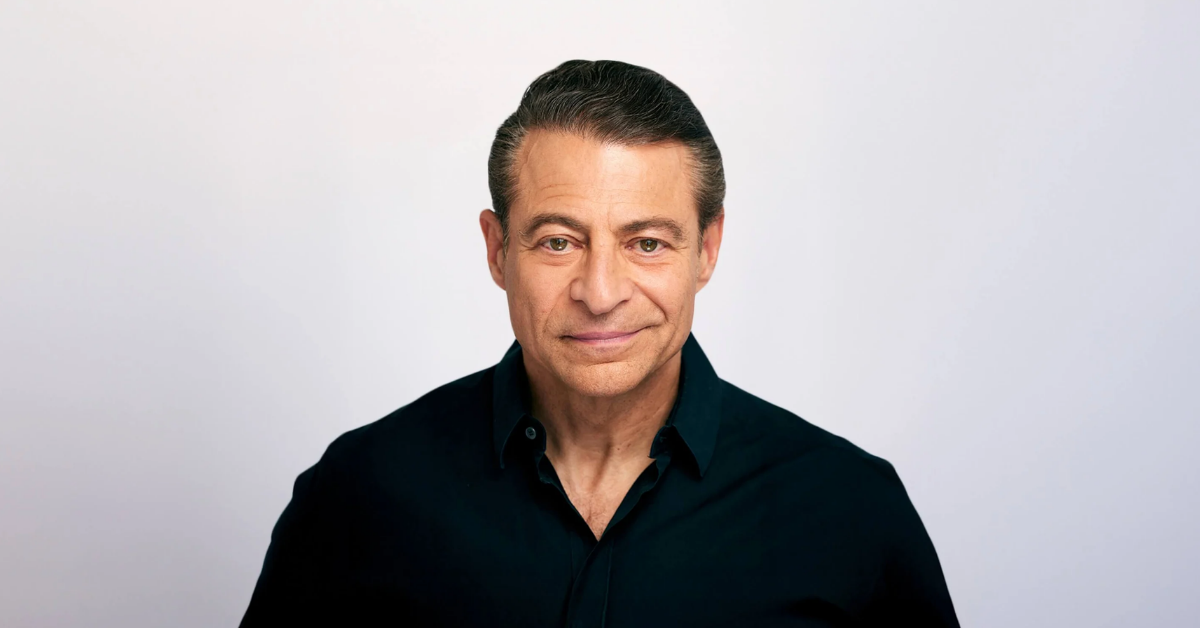
Peter Diamandis and his Moonshot Mates, among them Salim Ismail, Dave Blundin and Alexander Wissner-Gross, on technology, science and ambitious ideas about the future.
Modal CEO Erik Bernhardsson says coding agents trained on old examples keep writing outdated Modal syntax, so it retires features more cautiously. Modal also tests whether agents recommend it and clarifies pricing content they misread.
Idealab founder Bill Gross opened a free site with more than 1.2 million AI-generated business ideas. On Moonshots, Chamath Palihapitiya called ideas "a dime a dozen"; other panelists saw a starting list and a step toward AI-run firms.
Elon Musk told Walter Isaacson that currency will be measured in energy and mass. On Moonshots, Chamath Palihapitiya backed tokens tied to energy and compute, and Alexander Wissner-Gross said superintelligence could make money far less useful.
On Moonshots, a Musk clip urging hopeful AI stories set off a split: Dave Blundin and Chamath Palihapitiya argued for inspecting what labs build in, while Alex Wissner-Gross bet on competing AIs and human-machine merger.
Elon Musk says spending cuts cannot fix the U.S. national debt and only AI and robots can. On Moonshots, Chamath Palihapitiya and the hosts offered competing forecasts of how, from cheaper health care to automated defense spending.
Investor Chamath Palihapitiya argued that AGI exists but can't spread until power and data centers are built, and predicted a compute shortage within three or four years. Alex Wissner-Gross countered that demand and smaller models matter too.
Prosecutors allege an OpenAI engineer bugged an executive conference room. On Moonshots, Chamath Palihapitiya said labs should assume constant leaks, and Alexander Wissner-Gross predicted a Cold War over superintelligence.
Elon Musk pledged one SpaceX share, worth about $146 to $150, to every US child next year. On Moonshots, Dave Blundin and Salim Ismail said learning to own stock matters more than the money; Alex Wissner-Gross called it possibly clever marketing.
Peter Diamandis said racing and engagement-driven business models push AI toward misalignment. He proposed insurer-backed standards like 1894's Underwriters Laboratories and alignment prizes. Salim Ismail asked whose values AI should follow.
XPRIZE CEO Anousheh Ansari said a prize to store donor organs for months, tested in pigs with a six-month target, won this year's Visioneering. She and Peter Diamandis also described a funded telescope-data prize and less advanced ideas.
On Moonshots, Salim Ismail argued robots will start in dull, dirty and dangerous work and reach homes later; Peter Diamandis expects them to move past that within a year, if the dexterity and capability the panel discussed are really achieved. Anousheh Ansari said safety comes first and doubted the humanoid form.
A preprint reports GPT-6 Astra got 49 of 50 unpublished physics calculations right with web access, for about $2 each. On Moonshots, XPRIZE CEO Anousheh Ansari asked who will find new problems if AI solves the defined ones.
May we use a browser ID to count visits, article reading, return visits and how readers found us? The statistics stay on our server. We also count daily page totals without analytics cookies or visitor IDs.