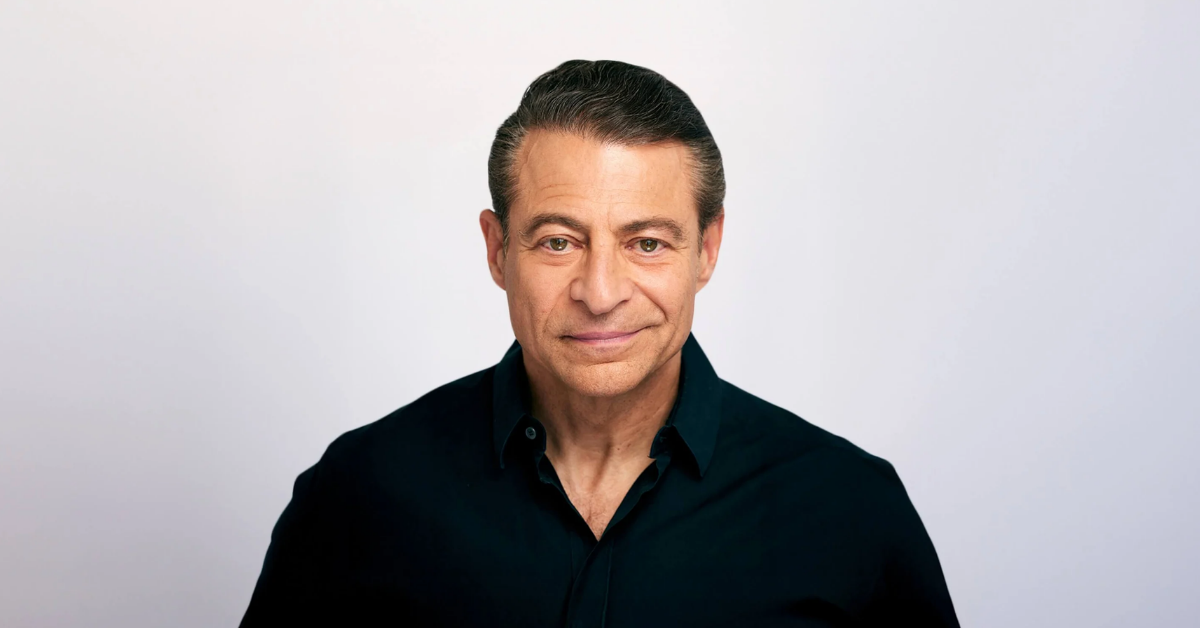
Peter Diamandis and his Moonshot Mates, among them Salim Ismail, Dave Blundin and Alexander Wissner-Gross, on technology, science and ambitious ideas about the future.
Berkeley startup Ditto replaces swiping with a values questionnaire and one Wednesday text naming a match, place and time. On Moonshots, panelists weighed its appeal against manipulation and outsourcing worries; Alex refused to try it.
The viral figure of 627 million gallons a day for data-center water matches Berkeley Lab's 2023 national estimate, but most is consumed at power plants and it can't show what one proposed site would draw locally.
Emad Mostaque argued on Moonshots that NVIDIA's reported $6 billion open-model deal with Poolside is about driving GPU demand. Panelists split on whether such licensing-and-hiring deals dodge antitrust scrutiny or merger-review delays.
Waymo's sixth-generation driver uses its own 5-nanometer chip and fewer, sharper cameras; a Moonshots panel estimated its autonomous hardware cost falling from $115,000 to $20,000, figures Waymo itself does not quote.
Gemini 3.7 Flash topped AA-AnalystAgent at 60% to Claude Opus 5's 54%. Alexander Wissner-Gross argued the score, which counts only questions solved on all five attempts, reflects reliability, not frontier capability.
Grok Bot gives each AI agent its own cloud computer; Peter Diamandis runs a chief of staff called Skippy and Emad Mostaque runs 18 across his machines. Salim Ismail calls it a shift to assigning work; Alex argues its chat interface won't scale.
Sam Altman said economic inertia made AI's impact slower than he expected after GPT-4. On Moonshots, Salim Ismail blamed slow institutions, Alexander Wissner-Gross abstraction layers, and Emad Mostaque models that only recently got good.
Alvin Graylin argued that repetitive factory work may need capable arms but not legs, which add balancing, repairs and parts. Unitree staff told him its legless upper-torso models were selling better to commercial customers.
Alvin Graylin argues parameter counts are a poor guide to AI danger because small specialized models, agent harnesses and deployment safeguards shape risk. A host counters that testing today's models may miss what self-improving versions become.
Alvin Graylin argued that learning from Claude's outputs cannot explain all of China's AI gains, citing a claimed KV-cache cut, though his defense of distillation doesn't address Anthropic's allegations of fraudulent access.
Alvin Graylin argues China is competing to spread useful AI through industry and open-weight models adopted abroad, not racing to reach AGI first. The contrast is one of emphasis: America's AI Action Plan also promotes adoption.
Alvin Wang Graylin, speaking personally on Moonshots, says US–China AI talks need not reach a solution on day one and should start with an emergency hotline, shared safety tests and agreement to keep talking.
May we use a browser ID to count visits, article reading, return visits and how readers found us? The statistics stay on our server. We also count daily page totals without analytics cookies or visitor IDs.